This story is from an installment of The Oeno Files, our weekly insider newsletter to the world of fine wine. Sign up here.
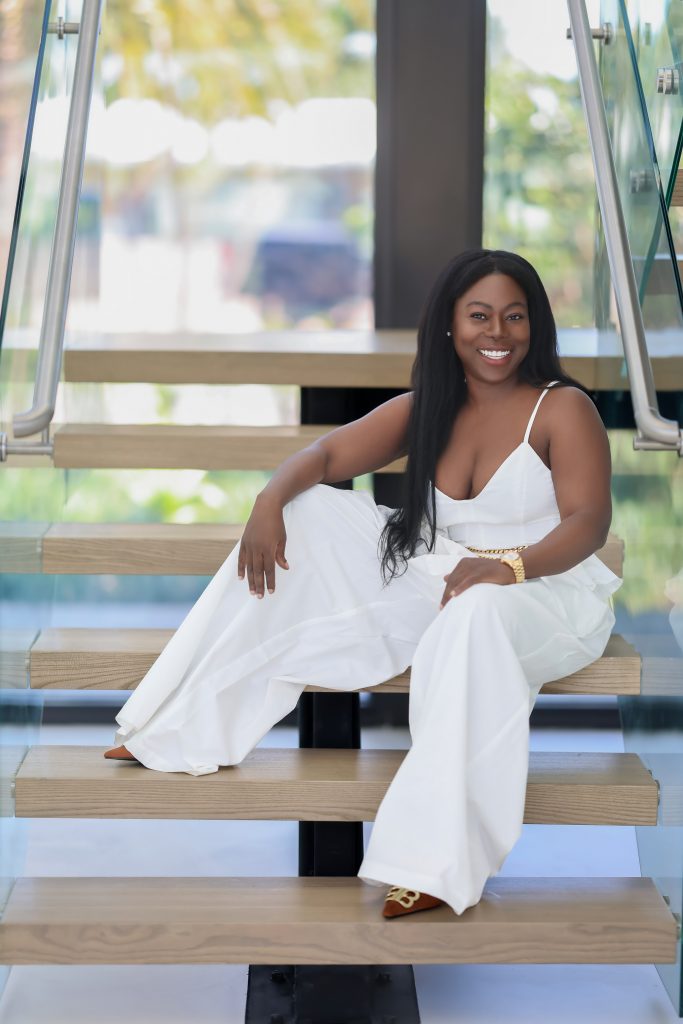
While other children were not allowed to leave the dinner table until they had cleared their plate, Alex Montague was honing the tasting skills that would lead him to become a noted wine collector. Evidence of his taste abounds on his Instagram feed, but his over 500,000 followers may not be aware that Montague got his start in wine tasting with his father and grandfather when he was around 12 years old. “At the time I hated the taste but every night a bottle was opened in which I had to partake and could not leave the table until I at least described what I tasted,” he tells Robb Report. One outstanding bottle he recalls fondly was made in the 1880s by renowned French scientist Louis Pasteur from grapes grown in his Rosières vineyard in Arbois, a commune in Jura. While he didn’t realize back then he was drinking liquid treasure, he was further impressed years later when he saw another bottle of Pasteur’s wine sell for around $50,000 at auction.
Montague’s love of wine has earned him an unpaid role as worldwide ambassador for Rare Champagne via the brand’s importer Folio Fine Wine Partners, and beyond Champagne he enjoys bottles from a wide variety of regions such as Napa Valley, Paso Robles, Tuscany, Rioja, Ribera del Duero, and Australia. When it comes to return on investment he sticks to Burgundy, Champagne, Rhône Valley, Jura, and, surprisingly, Switzerland for its Pinot Noirs. Considering wine a long-term investment asset, Montague says, “Great wines of great vintages do well over time,” and reports he has “done very well buying and selling Burgundy but usually over a five- to 10-year period.”
One buyer who made a quicker return on investment is Henrik Hovmark Eriksen, a business owner whose $1.4 million (1.2 million euros) wine collection is split between two companies, Rarewine in his native Denmark and wine investment platform Winecap, which is headquartered in London. Although Eriksen thinks it is “normally a five-year horizon for selling investment wine,” he recently made 20 precent on a quick turnaround sale because a couple needed the exact bottles he was holding for their wedding. While he enjoys opening bottles from Portugal and Spain at home, Eriksen focuses on wine from Champagne, Burgundy, Bordeaux, Napa, and Italy if he is looking to make money. With assets spread across the stock market, real estate, and crypto, the 27 percent of his portfolio invested in wine exceeds the 25 percent goal that Eriksen set for himself when he diversified into wine. And unlike buyers who frequent auctions and display their treasured bottles in beautifully designed home wine cellars, the majority of Eriksen’s wine is accrued on the advice of a broker and he never takes possession of the bottles.
One of the leaders in the field of wine investment is Winecap, whose CEO and founder Alexander Westgarth explains the reason that clients such as Eriksen don’t have the opportunity to show off their bottles at home. “We advise clients to use professional in-bond storage facilities because they provide the strictly regulated temperature and humidity controls necessary to preserve a wine’s investment value,” he says, and points out that keeping wine “in bond” maintains an unbroken chain of provenance and an auditable trace of the storage history: “This track record typically attracts a higher sale price than wines that have simply been stored at home.” All Winecap’s bottles go through a rigorous process that includes sourcing directly from estates or reputable negociants and utilizing secure, bonded warehouses like London City Bond Drakelow (LCB).

Unlike an actual bond, this is one you can drink.
Benchmark
The minimum initial investment to open a managed account with Winecap is £5,000 (approximately $6,200), but Westgarth sayshis average client currently holds a portfolio valued at approximately £65,000 ($88,000). Advising clients to build a foundation in Bordeaux, which remains the bedrock of the secondary market due to its liquidity and historical track record, the Winecap team then diversifies their portfolios with high-growth opportunities mainly from legacy regions like Tuscany, Piedmont, Burgundy, Champagne, and California. Westgarth says he is also keeping an eye on South Africa and parts of Spain, “where increasing critical acclaim and improved ageability are beginning to stimulate secondary market demand.”
In January Winecap surveyed 200 wealth managers, independent financial advisors, and financial intermediaries in the U.K. and U.S. on views toward fine wine and learned that 97 percent of wealth managers expect the demand for it to increase. Westgarth points out that as recent fluctuations in oil prices have sent ripples throughout global markets, “fine wine has remained largely insulated from these shocks because its value is untethered from industrial energy costs or corporate earnings reports.” He also explains wine’s relatively low liquidity compared to mainstream assets discourages panic selling, allowing it to maintain stable, long-term value despite broader market turbulence. “While mainstream assets are currently grappling with severe supply chain disruptions and political instability, fine wine continues to act as a ‘safe haven’ driven by the intrinsic scarcity of top vintages and a steady global demand,” Wesgarth says.
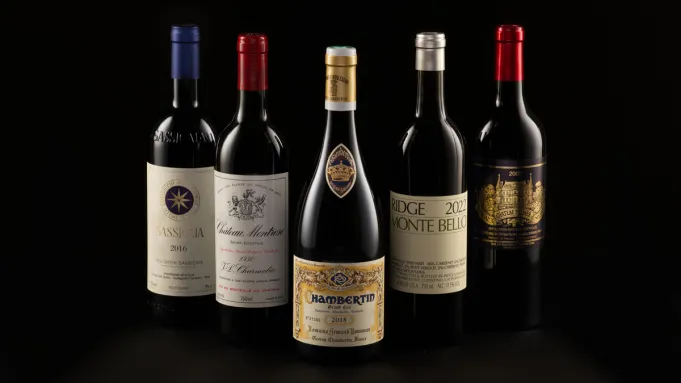
Outside the realm of dedicated wine investment companies such as Winecap, specialty wine merchants are cautious when advising clients on the investment potential of their purchases. Dave Parker, CEO of Benchmark Wine Group, a leading source of fine and rare wine, says his company advises clients to buy products that they know and like and do so primarily for the enjoyment the product brings to them, “whether they view it as a collecting hobby or plan to consume a substantial amount.” While he says “rare wine has demonstrated its ability to be a good long-term investment,” especially categories like first-growth Bordeaux, vintage grande marque Champagne, grand cru white Burgundy, top Rhônes and Port, Parker reminds readers “wine is first and foremost a product of sociability, generosity, and enjoyment. If the wine appreciates in value, that’s a bonus.”
Do you want access to rare and outstanding reds from Napa Valley? Join the Robb Report 672 Wine Club today.
Authors
-
Mike DeSimone and Jeff Jenssen

-
Coastal Coin Necklace
$34.00 -
Resort Palmtree Necklace
$64.00 -
Oceanside Sparkle Studs
$38.00 -
Coin Necklace
$34.00