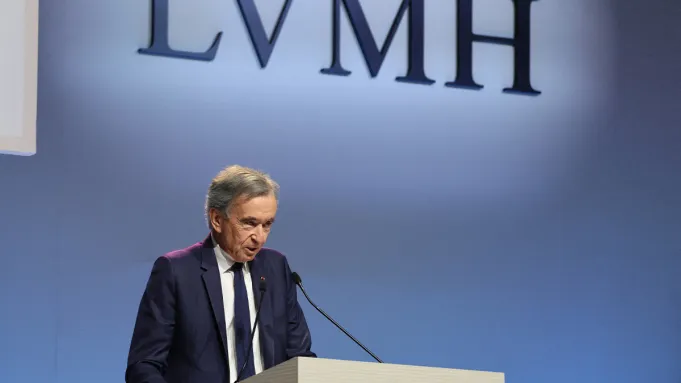
LVMH’s Q4 results are in—and investors are not thrilled.
The luxury behemoth, which counts brands such as Louis Vuitton, Dom Pérignon, and Tiffany & Co. in its portfolio, saw a sharp 7 percent drop in shares after it unveiled its fourth-quarter data on Tuesday, CNBC reported. LMVH’s total sales increased 1 percent, reaching a total of about $27 billion (22.7 billion euros) in the last quarter, a figure that slightly surpassed estimates but fell short of hitting competitors’ figures and gaining investors’ favor. The stock was trading down 6.4% by 1100 GMT.
“With peers such as Richemont, Burberry, and Cucinelli reporting solid QoQ improvements and beating expectations, the bar had moved slightly higher,” analysts from Citi said, per CNBC. As a luxury bellwether, LVMH’s shares plummeting affected its competitors, too: Brands such as Kering and Hermès saw their shares fall by about 5 percent and nearly 3 percent, respectively.
China, a massive figure in the luxury industry, seems to be on the luxury rebound; weakened demand in the country had previously been a driver for the slowdown plaguing the high-end realm over the last few years. Now, though, a recovery appears to be occurring, though rather slowly, due to issues with customs duties and other trade struggles.
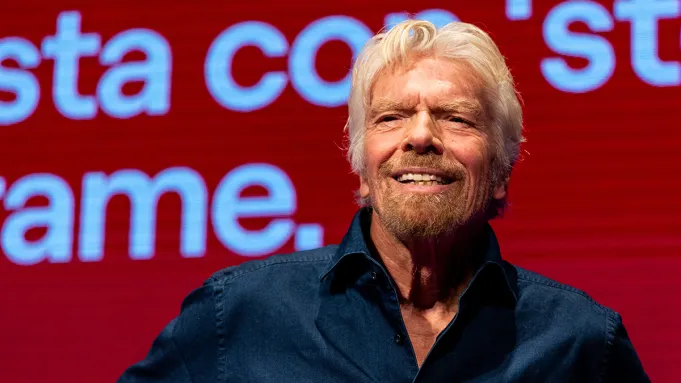
LVMH CEO Bernard Arnault said during a company presentation yesterday that “2026 wouldn’t be simple,” according to CNBC. “I always say that in our businesses, I am optimistic in the medium-term but short term it is very difficult to provide a serious forecast,” he continued. “So many events and the pace of decisions taken left and right in the various countries, it is extremely difficult to control all these geo-economic impacts on our companies.” One of those impacts is U.S. tariffs, which have weighed heavily on LVMH’s brands (such as Gérald Genta and Hublot) that are affected by the levies in Switzerland and other European countries.
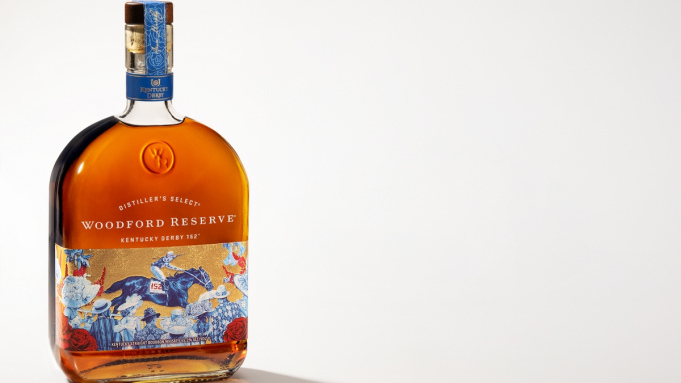
The luxury conglomerate’s full-year profits were down by 13 percent year-over-year. That decline was partly due to its struggling wine and spirits division that faltered in 2025. (The sector at large is dealing with woes, as fewer Americans are indulging in alcohol than ever, resulting in an overall slowdown in demand, particularly in whiskey.) As for LVMH’s fashion and leather goods piece of the puzzle, that division saw a 3 percent decline in sales, as predicted. The company was also bolstered by a strong performance from beauty retailer Sephora.
Authors

-
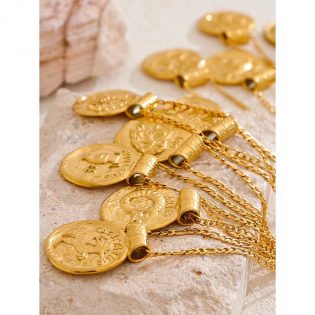
Coastal Coin Necklace
$34.00 -
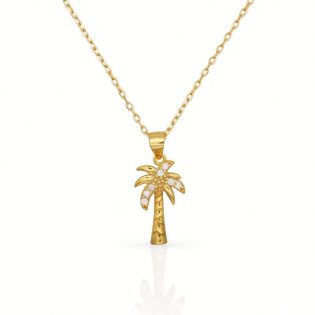
Resort Palmtree Necklace
$64.00 -
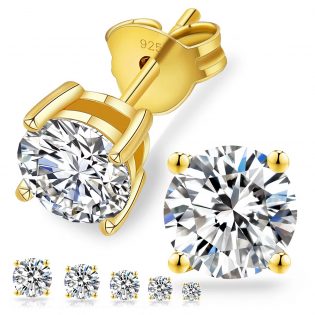
Oceanside Sparkle Studs
$38.00 -
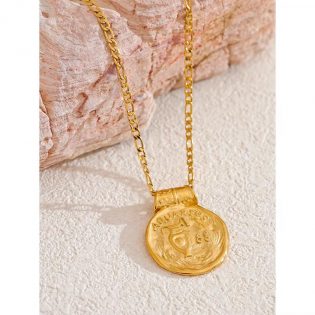
Coin Necklace
$34.00