The city that never sleeps spends a lot of its waking hours eating. Within any 10-block radius in New York, you’ll find just about every type of food. And while there have always been casual Caribbean restaurants and mom-and-pops sprinkled about—until quite recently, fine dining from the region wasn’t really a thing.
“When I started cooking professionally, even in my own country, it wasn’t even the food that was in restaurants,” Barbados-born chef Paul Carmichael tells Robb Report. “When I did Seiobo in 2015, I couldn’t name a restaurant doing Caribbean food,” he adds, referring to the lauded Sydney restaurant he helmed in collaboration with Momofuku’s David Chang. “There was damn sure not a Caribbean tasting menu anywhere.”

Chef Paul Carmichael in the kitchen at Kabawa.
Andrew Bezek
Today, that’s practically what Carmichael is serving up at Kabawa in the East Village. The restaurant, which opened early last year and has quickly gained culinary acclaim, serves a three-course prix fixe menu that allows guests to choose from starters like pepper shrimp—a stylish take on a Jamaican street-food staple—and mains including chuletas can can, a classic Puerto Rican pork dish. Carmichael, who prefers to see it as “dining well” rather than “fine dining,” is working to shine a light on the entire Caribbean, not just his home country, revealing how the region’s history of colonization and slavery is present in its food.

From left: The restaurant’s mosaic-tile wall depicting daily life across the Caribbean; Carmichael’s elevated take on pepper shrimp.
Adrianna Glaviano/Clay Williams
That’s something chef Gregory Gourdet is also exploring at Printemps, the luxury French department store that opened on Wall Street last spring. Maison Passerelle—the jewel among his five concepts there—harnesses his Haitian roots and, more broadly, the French diaspora. Think cane syrup–glazed duck with tamarind jus and coffee-rubbed steak frites.
“The cuisine, the concepts are all rooted in French history and French technique,” Gourdet says. But he’s also “tapping into the flavors, the stories, the history of all those ingredients, and how a lot of these folks [in the diaspora] have taken French rule or colonialism or influence—however you want to call it—and made it their own.”

Left to right: Chef Gregory Gourdet of Maison Passerelle; his Pikliz martini, infused with the flavors of a traditional Haitian pickled-vegetable relish.
Heather Willensky/Jenn Kimmel
Gourdet mastered the mélange of Haitian cuisine and local ingredients when he opened his live-fire restaurant, Kann, in Portland, Ore., in 2022. The same year, Kwame Onwuachi set the stage for the explosion of Caribbean fine dining in New York City with Tatiana, his upscale restaurant at Lincoln Center.
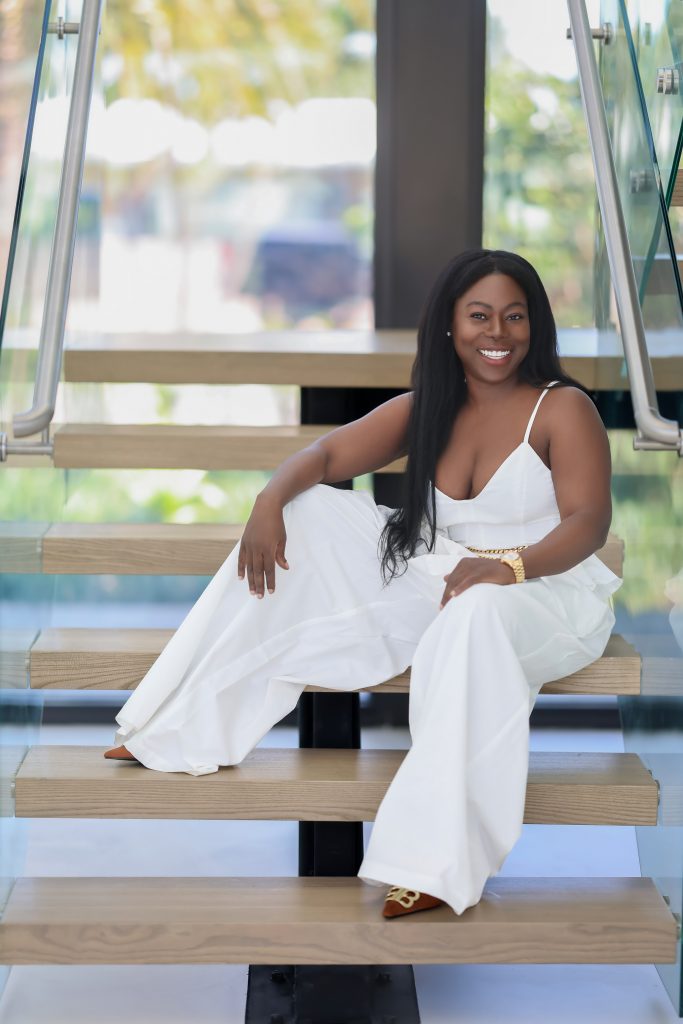
But the inflection point came last summer, when India Doris cut the ribbon on Markette. After working at the late James Kent’s Michelin-starred restaurant Saga for eight years, she sees her own place as uniquely personal. Markette’s menu draws on her experience growing up with a Jamaican mother and a Scottish father in London.

Chef India Doris in the dining room at Markette.
Natalie Black
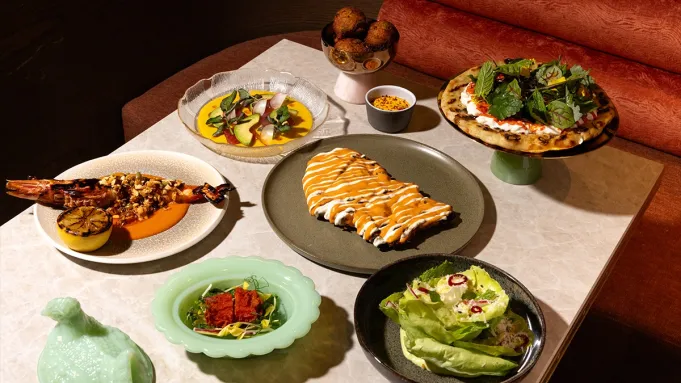
Her path shares a through line with Gourdet’s and Carmichael’s: They spent years, even decades, cooking in other people’s kitchens, learning from the best, and rising through the ranks. Now, they’re in the enviable positions of leading their own restaurants. “People are starting to feel more comfortable cooking their own food that they grew up eating,” Doris says. But these talents are also experimenting with and exploring what the cuisine can be today. “It’s important to be open-minded and not just think of Caribbean food as this very traditional thing,” she adds. “It’s O.K. to move it into different directions and different territory and see where we can take it and the flavors.” Rock-shrimp linguine, for example, might show up at all sorts of restaurants in the city, but Doris infuses Markette’s version with Scotch bonnets, an intensely hot staple of Caribbean cuisine.

Her menu is designed to share—if you can.
Natalie Black
Still, chefs are wary of calling the rise of Caribbean fine dining a trend, as it risks diluting the restaurant scene with copycats trying to ride their tailwinds. “This isn’t a concept; this is my culture,” Carmichael explains. “I want to share this [food] because this is important to me.” And while all three chefs are interested in how Caribbean dishes intermingle with those from other regions, don’t expect them to push it too far.
“If one day I were to put burrata on the menu and I got guests complaining, and they’re like, ‘Why is this here?’ ” Carmichael says, “I’d be like, ‘Yes, fuckin’ finally.’ ”
Authors
-

Tori Latham
[ad_2]
Source link